

Launching an enterprise in the capital requires a healthy mix of local operational ground work and smart digital engineering. This practical guide walks you through localized niche evaluation, compliance requirements, platform choices, and fulfillment structures.
Step 1: Identifying a Profitable Niche in the Capital
A common mistake is trying to sell everything to everyone. Success lies in finding a focused category where Delhi has a natural manufacturing or sourcing advantage.
Researching Local Supply and Global Demand
To find a winning product, look at what Delhi produces best and match it with what the market wants. How to leverage Google Trends and marketplace search volume data to find high-margin product opportunities directly aligned with Delhi’s production advantages is the first skill you must master. For instance, if data shows a spike in demand for sustainable home decor, Delhi’s proximity to regional handicraft clusters gives you a massive pricing and logistics edge.
Defining the Delhi Target Persona
Your marketing will fail if you do not know who you are selling to. Map out demographics across diverse segments, ranging from tech-savvy young professionals in Gurugram and Noida who look for premium convenience, to value-conscious shoppers across residential neighborhoods who prioritize discounts, warranties, and clear utility. Tailor your product selection and messaging to fit these distinct profiles.
Evaluating Product Unit Economics
A product might look profitable on paper, but hidden costs can quickly destroy your margins. You must carefully analyze the durability of products traveling from northern transit hubs, verify optimal weight brackets to prevent inflated shipping margins, and identify return-resilient item categories. If an item is heavy, fragile, and prone to high returns, the cost of reverse logistics will swallow your profits.
Step 2: Selecting and Verifying Suppliers
Once your niche is clear, you need to secure a reliable, high-quality supply of products. Delhi offers multiple ways to source inventory, depending on your business model.
Physical Goods vs. Digital Offerings
Before diving into supply chains, decide on your core product type. Balancing the storage and logistical frameworks required for tangible products against the asset-light, borderless nature of digital products is an essential strategic choice. While physical goods require warehouses and packing materials, digital products like e-books, courses, or software designs offer near total profit margins with zero shipping hassles.
Navigating Local Sourcing Channels
If you choose physical goods, you must decide how to source them. Evaluate the financial viability of bulk manufacturing in regional industrial plants versus dropshipping models or high-volume wholesale sourcing from hubs like Okhla, Mayapuri, or nearby Noida clusters. Bulk manufacturing offers the highest profit margins but requires upfront capital, whereas dropshipping lowers your initial financial risk at the cost of lower margins and less control over shipping speeds.
Strict Quality Control & Compliance Protocols
In the online world, a bad batch of products results in negative reviews that can permanently damage your brand. Establishing on-site quality assurance routines before stock leaves local factories is vital to prevent high return rates and protect brand integrity. Never ship items directly from a new supplier to a customer without personally checking the quality first.
Step 3: Architecting a Distinct Brand Identity
With thousands of stores online, your brand identity is what makes a customer choose you over a competitor. It represents your promise of quality and service.
Securing a Distinct Domain & Brand Name
Your name is your digital address. Focus on finding clean, memorable brand names that resonate clearly with an Indian consumer base while ensuring exact matches across primary domain registries. Avoid complex spellings or overly long names that users might mistype or forget easily.
Developing Cohesive Brand Visuals
First impressions matter. Craft crisp, recognizable logos, typography, and color schemes that translate perfectly onto physical product packaging and digital assets. A professional, clean visual language makes a small startup look like an established, trustworthy brand from day one.
Formulating Your Unique Selling Proposition (USP)
Clearly communicate your edge, whether it is express Delhi NCR shipping, zero-plastic sustainable packaging, or deep factory-direct pricing. Your USP should be prominently displayed on your homepage so visitors instantly understand why your store is different and better than the rest.
Step 4: Selecting the Ideal Platform for Indian Operations
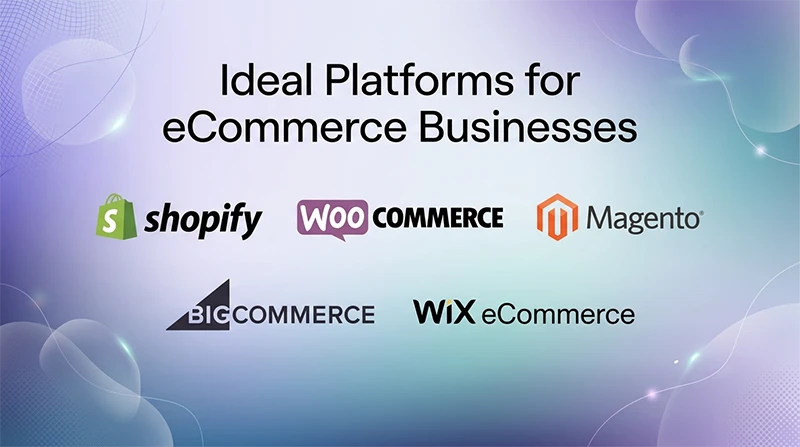
Your e-commerce platform is the foundation of your digital storefront. Choose a system that matches your technical comfort level and business scale. Transforming these standard platform frameworks into a unique, conversion optimized storefront requires the touch of a creative web design company to handle the custom visual assets and localized layout styling.
- Shopify: Highly recommended for rapid D2C deployments due to its excellent plug and play app support for domestic shipping providers and Indian payment gateways. Leveraging expert Shopify development in Delhi allows brands to maximize these features efficiently, though this ease of setup is offset by recurrent subscription fees and transaction costs.
- WooCommerce: Ideal for content-heavy stores and flexibility because it provides maximum code-level customization and zero monthly platform commissions; built directly on top of WordPress, it requires hands-on management of secure hosting environments.
- Magento (Adobe Commerce): Perfect for enterprise-grade retail as it is specifically designed for vast multi-warehouse catalogs and handling massive customer traffic, though it remains highly complex and requires dedicated development teams to maintain.
- BigCommerce: Suited for medium to large scaling brands, delivering robust, out-of-the-box multi-channel sync features and strong built-in SEO tools tailored for rapid growth, though it comes with a steeper learning curve for complete beginners.
- Wix eCommerce: Tailored for boutiques and solo creators, featuring a simplistic drag-and-drop builder perfectly suited for testing initial product ranges with minimal operational complexity, though it offers limited customization options for advanced scaling down the line.
Step 5: Securing High-Performance Hosting
If your website is slow, customers will leave before even looking at your products. A reliable hosting setup keeps your digital doors open smoothly.
Domain Registration Strategy
Align the core web address cleanly with your business name to maximize direct brand recalls and optimize local search footprints. If you target local shoppers, secure a .in domain alongside a .com to establish immediate local relevance.
Hosting Architecture & Speed Compliance
Website speed directly impacts sales. Selecting cloud hosting providers with Indian server locations (e.g., Mumbai/Delhi data centers) guarantees fast page-load speeds, high uptime security, and smooth traffic scaling during festive sales. Every millisecond saved during page loads prevents potential cart abandonment.
Step 6: Design Frameworks and User Experience (UX)
A well-designed store guides a visitor effortlessly from discovery to payment. The user experience should feel intuitive and friction free.
Mobile-First Design Execution
The vast majority of Indian internet users shop on their smartphones. You must ensure that navigation, image scales, and call-to-action buttons are fully optimized for mobile devices, which account for the vast majority of Indian e-commerce traffic. If your desktop site looks beautiful but your mobile site is cluttered, your conversions will suffer.
Simplified Navigation and Search Architecture
Shopping should not feel like a maze. Creating intuitive category hierarchies and clear filtering layers helps shoppers find specific products with minimal clicks. Features like auto-suggest search bars can greatly assist users in finding what they need instantly.
Optimizing Core Conversion Assets
Your product page needs to replace the physical experience of touching a product. This involves engineering high-converting product detail pages containing detailed multi-angle imagery, precise item specs, transparent pricing, and visible trust badges like “Easy Returns” or “Secure Checkout.”
Step 7: Core Architecture and Checkout Features
The checkout process is where a visitor officially transforms into a paying customer. Any confusion here can lead to a lost sale.
Streamlined Checkout Mechanics
Do not force users to fill out long, unnecessary forms. Minimizing data entry fields on checkout screens reduces cart abandonment rates, ensuring a smooth, single-page path from cart to purchase.
Payment Gateway Integration
Deploying robust payment processing systems that offer frictionless UPI options, credit/debit card routes, net banking, and reliable COD tracking systems ensures a seamless experience. Platforms like Razorpay or Cashfree are popular choices in India due to their high success rates and localized payment interfaces.
Customer Portal Deployments
Building out personal user portals allows customers to view live tracking information, review order history, and maintain individual product wishlists. This reduces pressure on your customer support team, as buyers can self-manage their orders.
Automated Shipping Real-Time Tracking
Keep your customers informed throughout the shipping journey. Embedding automated tracking widgets that update buyers across key delivery milestones via SMS or WhatsApp reduces customer support inquiries and builds peace of mind.
Step 8: Order Management and Operational Workflows

Behind a beautiful storefront lies a complex backend operation. Smooth workflows ensure that every order is processed accurately and promptly.
Real-Time Stock Synchronization
Selling an item that is actually out of stock creates terrible customer experiences. Implementing automated inventory counters across your web store and active marketplaces prevents accidental overselling of out-of-stock items, protecting your seller ratings.
Dedicated Inventory Automation Software
As your order volume grows, manual tracking becomes impossible. Utilizing central management systems helps automate reorder thresholds, optimize stock distributions across multiple hubs, and provide clear margin clarity so you always know your exact profitability.
Streamlined Order Fulfillment Workflows
Speed up your backend operations by creating smooth internal processing tracks, from printing invoices and pick-lists to packing and handover to courier fleets. The faster an item is packed, the faster it reaches the customer.
Step 9: Legal Architecture and Indian Corporate Compliance
To run a legitimate business and build long-term value, you must comply with local laws and tax structures. Skipping these steps can lead to severe penalties.
Disclaimer: The information provided below is gathered from general research and is intended for informational purposes only. We do not provide legal assistance, official legal counsel, or professional financial advice. We will not be held responsible or liable for any actions you take based on this content. eCommerce regulations change frequently. You must conduct your own independent research and consult with a certified legal professional before starting your business operations.
Business Licensing Frameworks
Before launching, secure your legal identity. This involves obtaining essential legal registrations including sole proprietorship or private limited incorporation, alongside mandatory local commercial licenses like the Shops and Establishments registration.
For formal operating authority within the National Capital Territory, businesses must complete their registration online via the official portal for Online Shops And Establishment Registration, managed directly by the Department of Labour, Govt. of NCT of Delhi. This ensures full alignment with local labor codes and compliance frameworks.
GST Registration & Tax Management
Structuring the business under the Indian Goods and Services Tax (GST) framework ensures accurate tax calculation across varying state boundaries and HSN codes. Since e-commerce platforms require a GST number to onboard sellers, getting this sorted early is absolutely mandatory.
Required Digital Policies
Protect your business legally by drafting transparent, legally compliant website pages covering user privacy details, terms of service agreements, and explicit consumer refund guidelines. This builds credibility with both payment gateways and cautious consumers.
Step 10: Tailoring Packaging and Strategic Shipping
Your product packaging is the first tangible interaction a customer has with your brand. It needs to be secure, cost effective, and professional.
Strategic Logistic Partnerships
Fulfillment can make or break an online business. Focus on selecting reliable shipping networks capable of managing fragile items, handling high cash volumes for COD orders, and offering broad pin-code reach across tier-2 and tier-3 towns. Logistical aggregators help you access multiple courier companies through a single dashboard.
Branded, Functional Packaging Solutions
Do not underestimate the power of an unboxing experience. Designing protective packaging prevents transit damage while providing a premium unboxing experience that builds brand loyalty and encourages social media sharing.
Transparent Delivery Terms
Surprise costs at checkout frustrate users. Defining clear, up-front shipping costs and realistic transit timelines on your site establishes customer trust from day one and sets realistic expectations.

Building an exceptional store is pointless if nobody knows it exists. A balanced marketing strategy combines short-term paid traffic with long-term organic growth. Delhi-based online storefronts must seamlessly sync these multi-channel efforts, which is why utilizing the strategic expertise of professional digital marketing companies in Delhi proves invaluable for driving sustained commercial growth.
1. Search Engine Optimization (SEO)
SEO helps your store rank on search engines, bringing in free, high intent traffic over time.
- On-Page Product & Category Architecture: Optimizing local category nodes and individual product descriptions with localized search modifiers without duplication helps traditional search engines and generative engines understand your catalog. Focus on informative, high-intent keywords rather than default manufacturer data to stand out from competitors in search results and GEO-driven (Generative Engine Optimization) AI comparisons.
- Technical SEO for Core Web Vitals: Search engines penalize poorly coded sites. Focus on minimizing server response times, compressing heavy imagery, and verifying mobile layout stability across all Android and iOS viewports.
- High-Intent Content Marketing Asset Creation: Produce highly targeted local buying guides, long-form comparison articles, and clear FAQ sections structured for Answer Engine Optimization (AEO) to answer customer pre-purchase queries and capture organic and AI overview search traffic naturally.
Building a sustainable organic acquisition channel often requires the expertise of a innovative SEO company in Delhi that understands localized search optimization, technical SEO improvements, and content strategies designed for both traditional search engines and AI-powered discovery platforms.
2. Paid Advertising (PPC & Social Ads)
Paid ads allow you to target specific audiences and generate predictable sales quickly.
- Google Shopping & Intent Targeting: Structuring high-ROI Google Ads and Performance Max campaigns directly targets buyers who are actively searching for your specific product keywords, leading to higher conversion rates.
- Meta Retargeting Frameworks: Most first-time visitors leave without buying. Executing dynamic custom-audience retargeting ads on Facebook and Instagram helps re-engage past store visitors, reduce cart abandonment, and increase your overall return on ad spend.
- Niche Audience Platforms: Leveraging platforms like Pinterest or specialized fashion discovery apps for visually striking, trend-driven, or aesthetic niches helps capture younger consumer groups via highly creative ad formats.
Businesses looking to maximize advertising efficiency frequently partner with reliable Google Ads agencies in Delhi to manage campaign structures, audience segmentation, bidding strategies, and ongoing performance optimization.
3. Social Media Marketing
Social media allows you to humanize your brand and build a loyal community around your products. Implementing a structured strategy for social media marketing in Delhi is essential to capture the interest of the capital’s digitally active consumer base.
- Strategic Channel Distribution: Do not try to be on every platform. Choose social platforms that align with your specific target audience, focusing on visual mediums like Instagram for fashion and home decor, and long-form video platforms for technical or lifestyle products.
- Organic Asset Management vs. Creator Collaborations: Balancing native behind-the-scenes content with strategic influencer programs helps introduce your brand to established, trusting communities, giving you instant credibility.
- Interactive Short-Form Content Optimization: Producing engaging short videos, reels, and stories that demonstrate product utility, answer common questions, and run limited-time promotions keeps your brand top of mind.
4. Email Marketing
Email marketing remains one of the highest ROI channels because you own the audience data directly, without relying on ad algorithms.
- Strategic Database Growth: Using non-intrusive newsletter forms, value-driven incentive offers, and initial sign-up discounts helps build a high-quality subscriber list early on.
- Automated Lifecycle Email Flows: Save time by setting up automated email flows triggered by user actions, including multi-stage cart abandonment reminders and tailored post-purchase follow-ups.
- Advanced Customer Database Segmentation: Grouping subscribers by actual browsing history, purchase frequency, and average order values allows you to deliver highly personalized, high-conversion email offers that address their specific interests.
5. Affiliate and Referral Ecosystems
Word-of-mouth marketing is incredibly powerful in India, where community recommendations carry significant weight.
- Strategic Affiliate Partner Scaling: Partnering with micro-bloggers, reviewers, and industry content creators who promote your catalog in exchange for a performance-based sales commission helps expand your reach with zero upfront ad costs.
- Custom Referral Infrastructure: Designing customer loyalty programs that incentivize existing buyers to introduce your brand to their networks via direct discounts or wallet credits creates a self-sustaining loop of new customers.
- Data-Driven Performance Evaluation: Closely monitoring acquisition metrics, conversion trends, and return on ad spend (ROAS) across all external promotion networks ensures your affiliate channels remain long-term profitable.