

Outsourcing your search strategy to an external SEO specialist outperforms generic marketing efforts by injecting targeted, advanced methodologies into your digital framework.
Instead of spreading internal resources thin across multiple creative disciplines, outsourcing allows your brand to leverage dedicated professionals who focus exclusively on algorithmic performance.
This strategic decision eliminates guesswork and establishes an efficient, data-driven workflow from day one.
By choosing an experienced partner, you gain access to sophisticated enterprise software and proven frameworks that transform abstract web traffic into measurable commercial value, ultimately ensuring your website commands dominant search visibility within your target industry vertical.
This intentional shift toward professional management is heavily supported by major search networks, and businesses can review Google’s official guidelines on Do You Need an SEO? Tips for Hiring an SEO to better understand the standard industry benchmarks for external support. Gaining this structural clarity makes it much easier to leverage the core technical advantages an expert brings to your framework from day one.
1. Instant Access to Advanced Technical and Semantic Expertise

Partnering with modern SEO experts eliminates the time and expense of training internal generalists on complex systems like schema deployment, technical indexing, and crawl budget efficiency.
Instead of waiting for an in-house team to learn through costly trial and error, your brand gains immediate access to refined workflows. This specialized approach brings a deep understanding of modern search architecture, matching content directly with user search intent.
These professionals know how to align technical infrastructure with search behavior, ensuring your website ranks high for queries that drive enterprise profitability without wasting your valuable internal resources.
2. Financial Agility with Scalable Pricing Packages
Outsourcing your organic strategy allows companies to pick a flexible pricing structure (hourly, monthly retainer, or fixed-scope project) that matches their current operational budget perfectly.
You only pay for active execution rather than permanent overhead costs, health benefits, and fixed executive salaries. This modern setup provides the absolute freedom to scale optimization resources up during peak seasonal campaigns and dial back when necessary.
Such financial agility keeps your marketing nimble, ensuring capital is deployed efficiently based on current performance data, market conditions, and immediate company goals without committing to restrictive long-term financial liabilities.
3. Up-to-Date Navigation of Rapid Algorithm Changes
The digital landscape shifts constantly, making internal maintenance difficult. Specialized SEO consultants actively track regular search engine updates, core adjustments, and evolving generative AI overviews.
To stay ahead, professional SEO experts actively monitor the Google Search Central Blog for official announcements regarding core updates. They track shifting search dynamics driven by Generative Engine Optimization (GEO) and AI search trends to keep your content competitive in modern conversational engines. Because they manage multiple accounts across diverse verticals, they spot macroscopic volatility trends long before they impact your specific platform. This proactive stance protects your digital infrastructure from sudden traffic loss by enforcing safe, long-term white-hat strategies.
By continuously adjusting your content architecture to comply with the latest search algorithms, they keep your business ranking consistently above your competitors while safeguarding your valuable online authority from unexpected, devastating updates.
4. Holistic Digital Growth and Cross-Channel Integration
Search optimization does not exist within a vacuum. Established search consultants often coordinate directly with web developers, content strategists, and paid advertising teams to streamline performance.
They ensure organic optimizations smoothly complement user experience design, paid campaigns, and overall brand messaging across the web. By breaking down marketing silos, these specialists maximize your return on investment across every touchpoint.
They transform search data into actionable insights that improve your conversion rate optimization, email landing pages, and social media targeting, creating a synchronized digital presence that drives continuous user engagement and improves lifetime brand loyalty.
5. Unbiased Competitive Intelligence and Deeper Industry Insights
External SEO specialists utilize advanced enterprise software to perform thorough reverse-engineering of your direct competitors’ traffic channels, backlink profiles, and content strategies.
They view your digital asset without internal corporate bias, identifying structural gaps that you might miss. Analyzing competitive regional search trends in highly populated business hubs like Delhi offers an excellent example of this in action.
By unpacking what local and global market leaders are doing right, they deliver fresh, objective observations on market gaps and keyword opportunities that internal teams frequently overlook, giving your enterprise an immediate competitive advantage over entrenched players.
6. Direct Acceleration of Bottom-Line Business Revenue
Working with experienced SEO professionals shifts focus away from empty vanity metrics toward high-intent traffic acquisition that generates genuine leads and customer conversions.
Ranking for high-volume keywords is useless if those visitors never buy your product. A professional optimization strategy targets buyers at the exact moment they are ready to make a purchase decision.
Furthermore, this approach optimizes the actual conversion funnel of your landing pages, maximizing the commercial return on your organic traffic and transforming your website into an automated sales pipeline that delivers consistent revenue growth and long-term business sustainability.
A rigorous, systematic vetting process is essential to securing a highly qualified SEO specialist who can execute your project flawlessly without putting your digital assets at risk.
Many business owners rush into optimization agreements based solely on attractive pricing or vague verbal promises, only to realize months later that their strategy lacks technical substance.
To avoid these costly mistakes, you must establish a comprehensive evaluation framework that tests a provider’s data transparency, engineering capabilities, and adaptability to modern semantic search trends.
The following checklist outlines the core criteria you should investigate during the initial consultation phase to guarantee your chosen specialist can deliver sustainable, long-term organic growth.
1. Verify Professional Experience and Specific Niche Expertise
When vetting an SEO consultant, look deeply into their history to verify successful project execution within your specific business model or industry vertical. A professional who excels in local retail optimization might struggle with the complex technical architecture of a global enterprise platform.
Confirm their familiarity with the exact technical limitations and unique opportunities of your specific website platform, whether you run Shopify, WordPress, or a custom JavaScript framework.
Asking for concrete examples of past hurdles they overcame ensures they possess the practical problem-solving skills required to guide your web asset to measurable success, preventing wasted marketing spend on generic solutions that fail to move the needle for your business enterprise.
2. Interrogate Data-Driven Case Studies and Success Stories
Do not rely on verbal promises during a pitch presentation. Demand detailed case studies demonstrating clear performance metrics, including organic traffic growth curves, keyword improvements, and actual lead volume.
A trustworthy partner will gladly share anonymized data that proves their strategic capability. Look for historical projects that mirror your current website size, competitive landscape, and structural challenges.
Evaluating how they handled similar scenarios gives you a transparent preview of their methodology, showing whether they can realistically replicate those positive, revenue-generating results for your own enterprise website rather than hiding behind superficial theoretical ideas that do not produce tangible commercial growth or sustainable authority for your corporate brand online.
3. Audit Independent Reviews and Client Testimonials
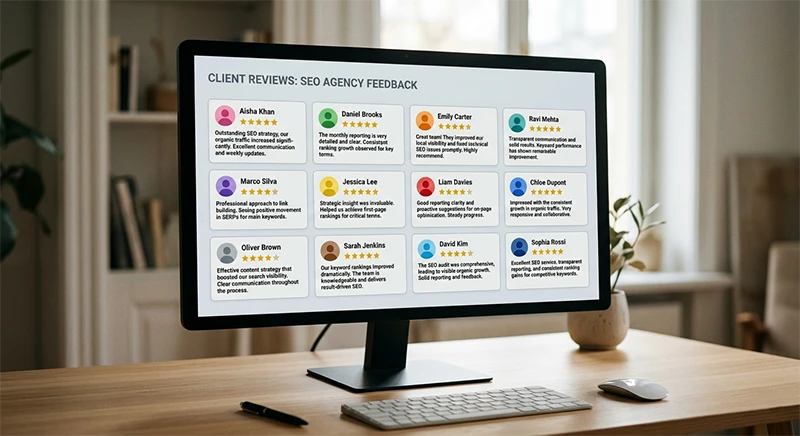
To understand what working with a specific provider is truly like, cross-examine user feedback across independent third-party review platforms and official business profiles.
Client testimonials on an agency website are always curated, so looking at neutral networks offers a realistic view of their professionalism. Pay close attention to specific praise regarding their project transparency, responsiveness, and consistent milestone management.
This independent vetting is particularly helpful when assessing an SEO expert in Delhi, where local business networks heavily rely on proven, word-of-mouth professional credibility.
If multiple past clients highlight their excellent communication and ethical workflows, you can proceed with confidence, knowing you are partnering with an expert who values accountability and works diligently to protect your corporate interests throughout the entire lifecycle of the campaign, ensuring consistent performance without unnecessary management overhead.
4. Demystify Their Technical Strategy and Optimization Methodology
Inquire directly about their unique approach to comprehensive site audits, content architecture, and authoritative link acquisition. A qualified SEO expert should explain complex tactics in clear, understandable business terms.
An industry expert will explicitly detail their reliance on professional enterprise software like Ahrefs, Semrush, Screaming Frog, or SurferSEO. They use these specific applications rather than generic utilities to run crawl diagnostics, reverse engineer competitor backlinks, and map out entity-based content optimization strategies.
Ensure their entire workflow strictly complies with official search engine webmaster guidelines to guarantee long-term safety. If their strategy sounds vague or relies on manipulating index algorithms, step away immediately. A true expert focuses on user experience metrics, including the Core Web Vitals, to ensure your site is fast, stable, and user-friendly.
A legitimate professional relies on sustainable, high-quality content production and technical excellence to build domain authority that withstands major core updates, protecting your business from devastating ranking penalties that could completely erase your organic search visibility overnight without warning, permanently damaging your brand equity.
5. Establish Transparent Reporting Frequency and Communication Lines
Before signing any contract, confirm exactly how often you will receive performance updates and which analytics platforms will track project health. Regular communication prevents misunderstandings and keeps everyone aligned.
True professionals establish structured communication ecosystems by managing campaigns inside professional project management tools like Asana, Trello, Jira, or Slack. This structural integration keeps deliverables organized and ensures your internal stakeholders never have to guess the status of ongoing tasks.
A professional partner clearly connects abstract search engine metrics directly to your real-world business objectives, focusing on conversions rather than raw impressions.
Make sure you know whether you will receive automated monthly emails or participate in bi-weekly strategy calls, ensuring your internal team can easily collaborate with the external specialists throughout the project, allowing you to measure exactly how your financial investment translates into true business growth, increased pipeline revenue, and measurable digital enterprise visibility.
6. Compare Hourly, Monthly, and Project-Based Pricing Configurations
Take the time to analyze the exact deliverables bundled into their proposed hourly rates, monthly retainers, or project-based fee structures. Different projects require different financial setups, so select the model that aligns with your timeline.
Avoid vague quotes and choose a transparent provider who breaks down exactly where every dollar of your budget is allocated.
Knowing how much time is dedicated to technical audits versus content creation prevents scope creep and ensures you receive fair, competitive market value for your investment, allowing your accounting department to track returns accurately without dealing with unexpected hidden fees or surprise upcharges later during active execution periods.
7. Test Adaptability to AI Overviews and Modern Semantic Trends
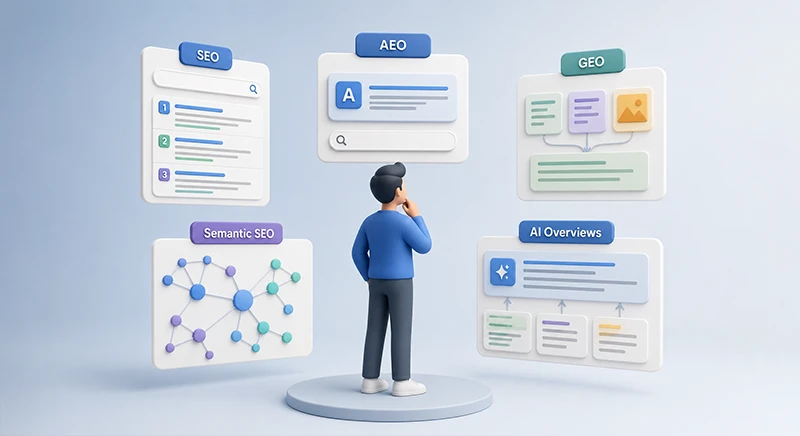
Search dynamics are shifting rapidly due to artificial intelligence, making Generative Engine Optimization (GEO) and Answer Engine Optimization (AEO) vital components of a future-proof strategy. Ask how they optimize brand content for contextual entity relationships, conversational search trends, and automated search answers.
The right specialist focuses entirely on comprehensive topic coverage rather than simply stuffing repetitive keywords across a page.
They should understand how search engines process intent, ensuring your website remains highly visible as generative AI overviews become a primary method for consumers to discover information and brands online, positioning your business at the forefront of the modern digital landscape before your competitors adapt to these advanced machine learning ecosystems, algorithms, and deep semantic infrastructure upgrades.
8. Confirm Clear Service Level Agreements and Flexible Exit Clauses
Protect your business assets by reviewing contractual agreements carefully to ensure you retain total freedom if project milestones are consistently missed.
Legitimate optimization partners protect their clients with flexible, fair termination terms rather than trapping them in long, unvetted lock-in periods. Ensure the contract outlines ownership rights for all optimized content and technical fixes.
Clear service level agreements establish a professional foundation, guaranteeing that both parties understand their responsibilities from the first day of the campaign, mitigating legal risks and building an environment of mutual trust, digital safety, and corporate transparency necessary for comprehensive long-term project success.